Opera is often misjudged as an expensive, superfluous, and elitist art form meant to exclude the average person, but in reality, the communal experience of telling stories through music traces back to our ancestors sitting around campfires. It’s only natural that across the globe various cultures from Beijing to Vienna began to stage and expand those stories into what we recognize today as opera in its many forms. But what exactly is an opera and how can someone today enjoy it? The second question is easier to answer than the first; you can listen to opera on any streaming platform like Spotify, Apple Music, and YouTube, and even stream full productions at home through apps like Met Opera on Demand, OperaVision, and the Atlanta Opera Film Studio. But simplifying the vast diversity of opera into one narrow definition isn’t something anyone should attempt. Opera has continuously shifted in form and style from generation to generation as different cultures have embraced it. There’s been Peking opera, English oratorio and operetta, French grand opera, Italian opera seria and Opera buffa, German Singspiel and Wagnerian music drama, Spanish zarzuela, the Modernist avant-garde, and even the American Broadway musical. Perhaps you loved “Sweeney Todd,” “Miss Saigon,” or “Wicked” and are curious to dip your toe further into the lush world of rich melodies and riveting dramas that exist outside “the Great White Way.” If I’ve just described you, then let this nifty list guide you deeper into the vast library of passionate heroes and electrifying orchestral scores that exist in the many broad categories of opera.—David Davila
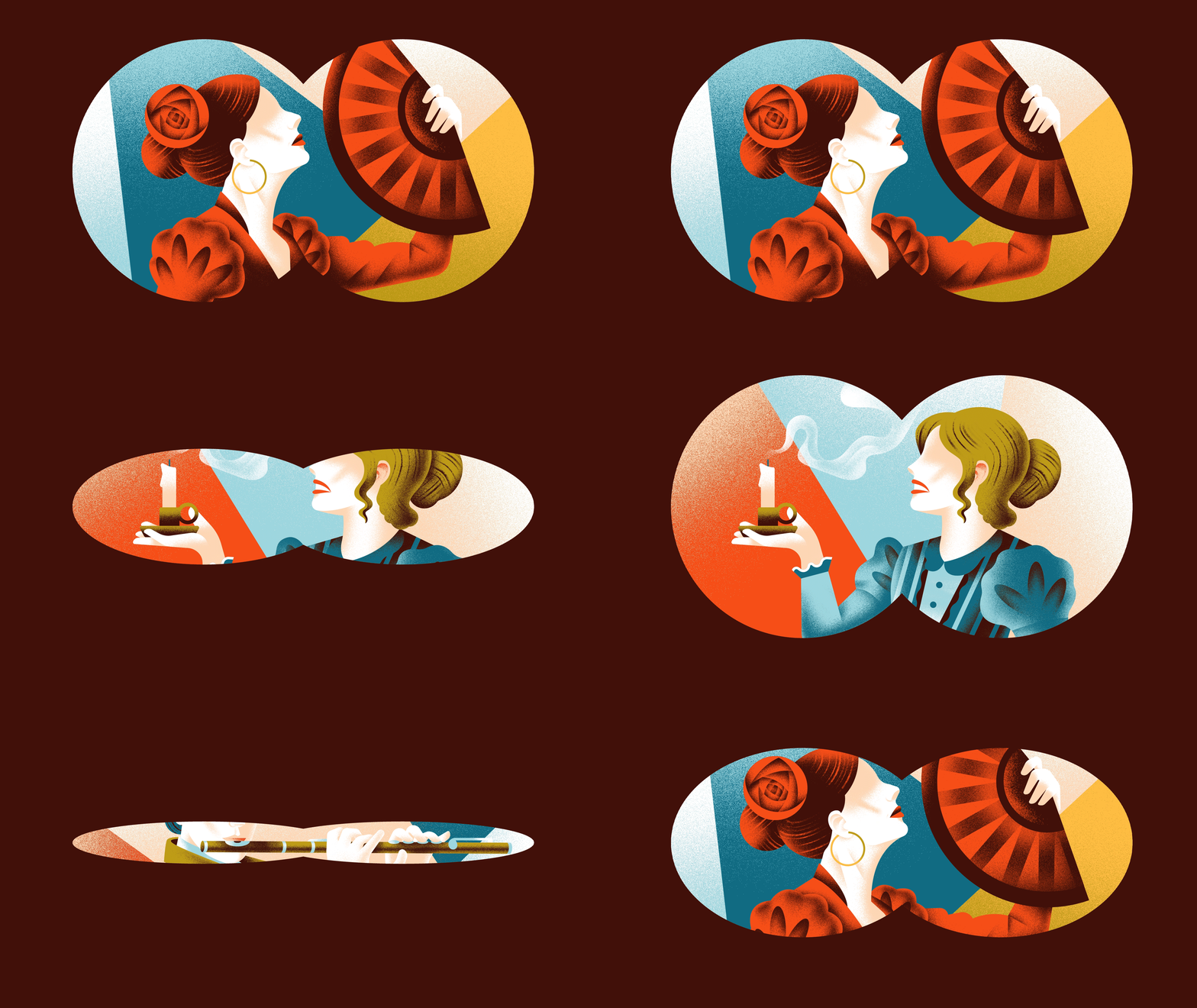
“Carmen”
Music by Georges Bizet, libretto by Henri Meilhac and Ludovic Halévy
This French opera about a Spanish Romani woman trapped in a love triangle between a cop with anger issues and a sexy matador took the world by storm when it premiered in 1875 and subsequently toured the globe. You might say it was the Les Mis of its time. Violence toward animals and femicide aside, this opera is jam-packed with catchy tunes you grew up hearing. Start with this crowd pleaser and you’ll be humming opera arias for weeks. (P.S., aria is just a fancy word for solo song.)
“La Bohème”
Music by Giacomo Puccini, libretto by Luigi Illica and Giuseppe Giacosa
You’ve seen the famous poster for the original production of this show on sale at HomeGoods your entire life and it’s time you finally watch it. The plot involves a bunch of starving artists living a Bohemian lifestyle in Paris in the 19th century; yes, this is the story that “Rent” is based on, but it’s actually been produced on Broadway several more times than “Rent.” It’s famous for good reason — the music is pure ear candy! Put this album on, close your eyes, and let your stressful week just disappear. Add wine and cheese for extra enjoyment. Hits include: “Quando Me’n Vo’ (Mussetta’s Waltz),” “Mi chiamano Mimi,” and all of it really.
“The Magic Flute”
Music by Wolfgang Amadeus Mozart, libretto by Emanuel Schikaneder
Everyone loves a mythical quest, especially when there’s wild costumes, elaborate sets, and puppets! This opera has a wild plot that involves a hero saving a princess and features the lore of the Freemasons. I won’t attempt to explain it any further. Mozart’s music is easily accessible to all ages, and the fantasy elements of this story make it perfect fun for the whole family. Treat the young people in your life to an opera matinee and get ice cream after. I promise you won’t regret it. Hits include: “Der Hölle Rache kocht in meinem Herzen” aka “the Queen of the Night Aria” … it’s that one from the dog food commercial that always gets stuck in your head where the soprano sounds like she’s whistling.
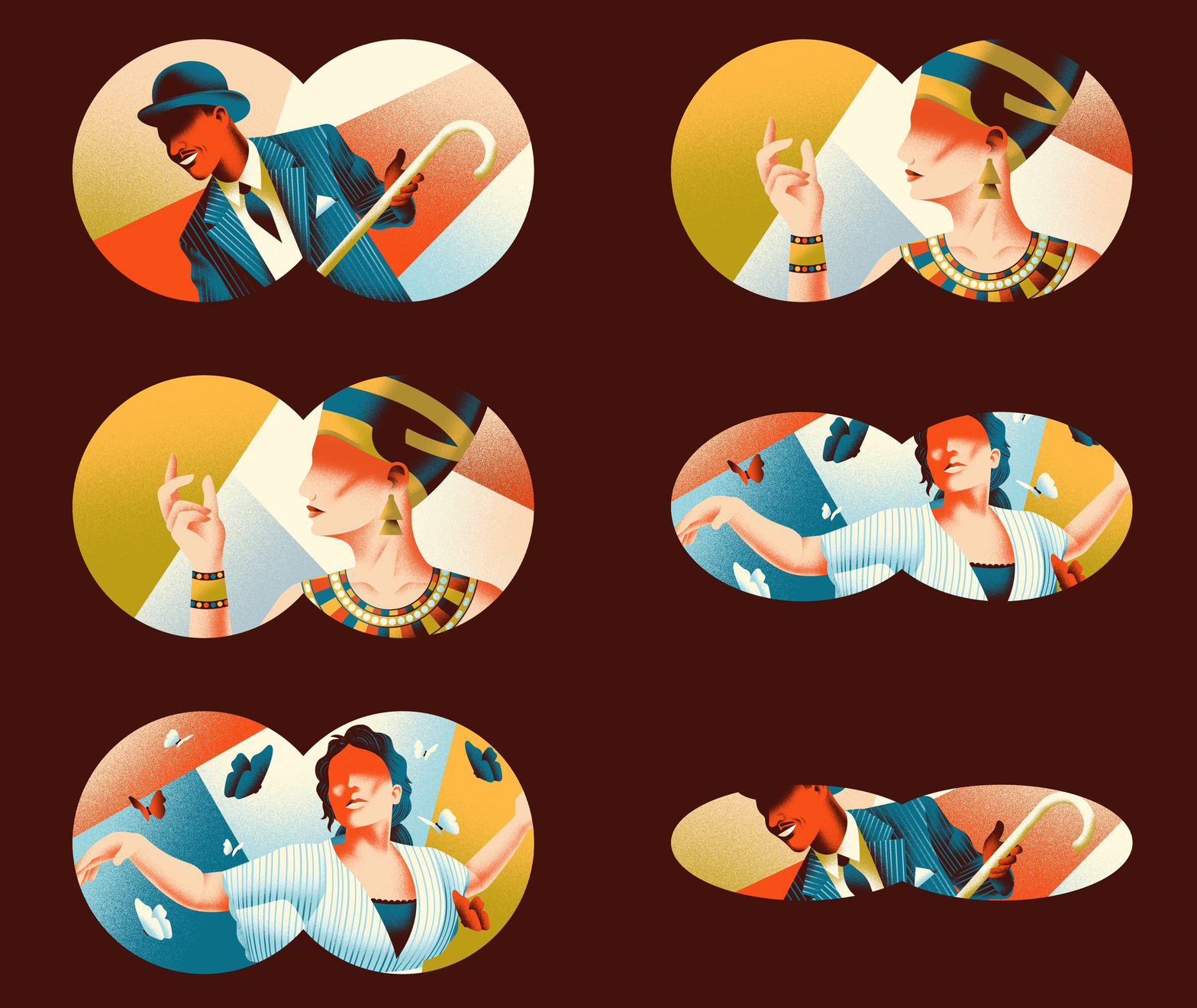
“Porgy and Bess”
Music by George Gershwin, libretto by DuBose Heyward, lyrics by DuBose Heyward and Ira Gershwin
Billed as an American folk opera, “Porgy and Bess” tells the story of a Black community living in Catfish Row in South Carolina, where a woman of the night changes her ways when she falls in love with a disabled beggar. It has a jazz-infused score that can be performed by singers in either the “classical” operatic style or a contemporary jazz vocal style depending where you’re watching it. In the last few years, it’s been seen both on Broadway (starring Audra McDonald) and at the Metropolitan Opera (starring Angel Blue). What could be more American than that? Hits include: “Summertime,” “My Man’s Gone Now,” “I Got Plenty of Nothing,” and “Bess You Is My Woman Now.” (Listen to the jazz crooner versions or the Opera Cast Recordings.)
“Akhnaten”
Music by Philip Glass, libretto based on poems by Akhenaten, the Egyptian Book of the Dead, and Amarna-period letters
You probably know Philip Glass for his amazing film scores, or perhaps as a pioneer of the post-modern minimalist movement, but it’s his operas that may survive the longest. “Akhnaten,” a surrealist fever dream about the ancient Egyptian pharaoh and religious zealot, is a stunning sensory orgasm that delights the ears, as the sumptuous staging, reminiscent of Cirque du Soleil, tickles your eyeballs. It’s a spectacle that deserves to be experienced live but can also be streamed from your living room on Met Opera on Demand.
“Florencia en el Amazonas”
Music by Daniel Catán, libretto by Marcela Fuentes-Berain
I adore stories about the Amazon rain forest. This opera, inspired by the work of Gabriel García Márquez, tells the story of a young opera singer on a tugboat headed down the Amazon River toward the opera house in Manaus as an outbreak of cholera has overtaken the city. The magical realism in the story is highlighted by the beautiful music set by Mexican composer Daniel Catán. This has quickly become one of the most performed contemporary operas in the world, with regular performances at Bellas Artes in Mexico City and, now, the Met.
“Blue”
Music by Jeanine Tesori, libretto by Thomas Tazewell
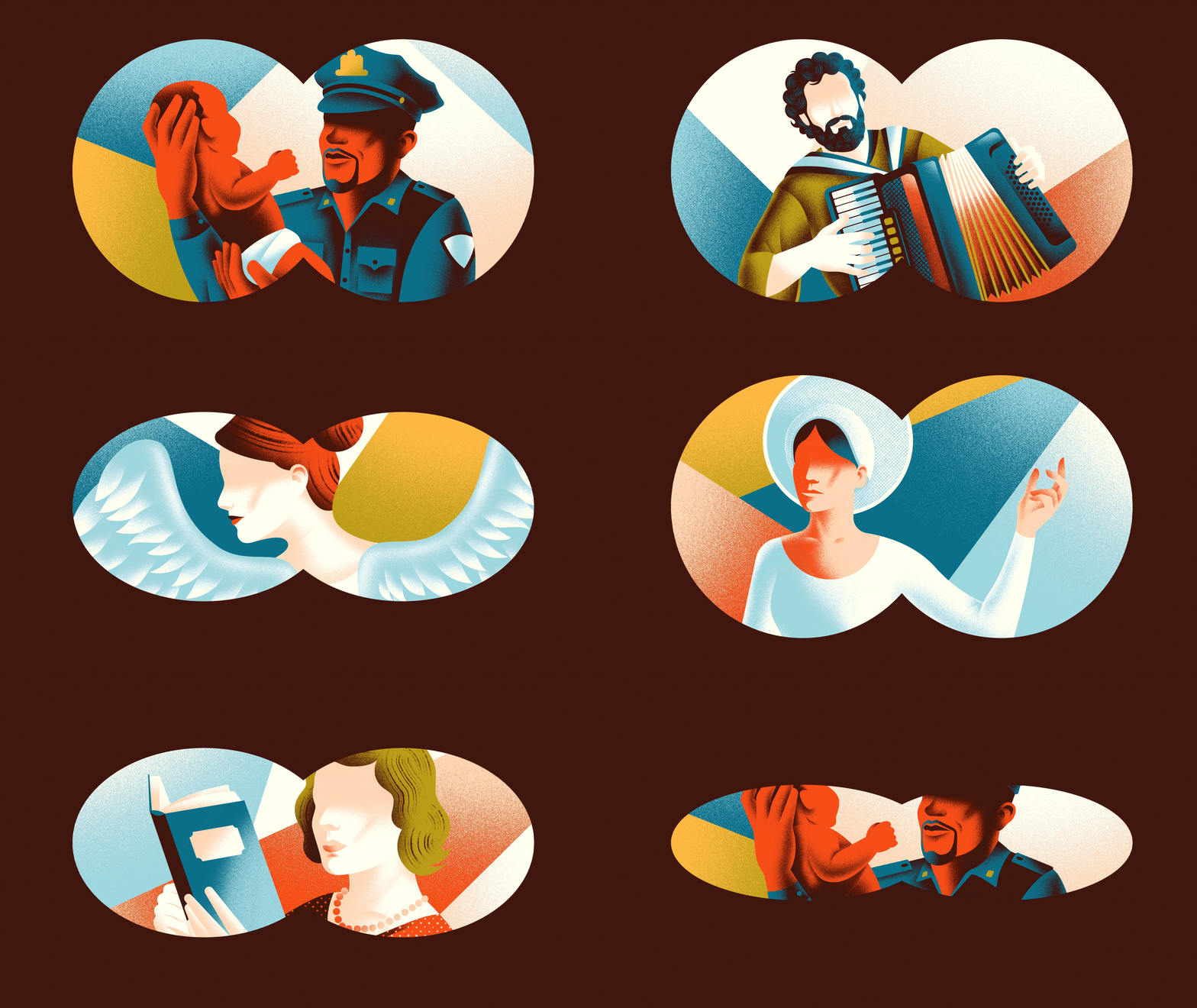
Rather than recommend one of dozens of amazing and equally intense dramatic operas from the 19th and 20th century English, German, or Russian traditions, I instead offer you a brand-spanking-new opera of similar make and model by one of the most important living musical theatre composers today. Jeanine Tesori is the same woman who wrote the Broadway hits “Thoroughly Modern Millie,” “Shrek,” and “Fun Home” and here creates an emotional landscape on a massive scale with a story about a Black police officer whose son is shot and killed by a fellow cop.
“Natasha, Pierre, and & the Great Comet of 1812”
Music and libretto by Dave Malloy
It hasn’t been fully embraced by opera producing companies just yet, but this work wasn’t universally embraced by the Broadway community either when it premiered there in 2016. Still, this unique and groundbreaking hybrid creation has gobs of hard-core fans singing the praises of its inventive and prolific composer. This divinely weird, sung-through electro-folk-opera is an adaptation of Tolstoy’s “War and Peace” and, boy oh boy, is it just so incredibly good. Hits include: “No One Else” and “Dust and Ashes” (made popular by Josh Groban).
“Angel’s Bone”
Music by Du Yun, libretto by Royce Vavrek
Nothing will hit you in the face harder than this creepy, choral, electronic soundscape that is as uncanny as it is beautiful. I could try to explain the post-dramatic plot of this Pulitzer Prize-winning opera that involves two angels who become sex slaves, but I’m not sure even I completely understand it. What is crystal clear to me, however, is how much I enjoy the listening experience of this sonic mood board, which is just as much a soundscape as it is an avant garde performance piece. Just trust me: Hit play.
If anyone tells you that opera is dead, you only have to point to Kevin Puts’ “The Hours” to prove them completely and utterly wrong.
“Atlas”
Music and libretto by Meredith Monk
Can you listen to a painting? That’s what it feels like to listen to the post-dramatic, experimental performance artist Meredith Monk’s 1991 vocal masterpiece, “Atlas,” a series of dreams expressed through vocalise that explore global movement. (P.S., vocalise is just a fancy word for singing without words)
“The Hours”
Music by Kevin Puts, libretto by Greg Pierce
If anyone tells you that opera is dead, you only have to point to Kevin Puts’ “The Hours” to prove them completely and utterly wrong. Based on the Pulitzer Prize-winning book and Academy Award-winning film, this enchanting adaptation is all you need to become a fan of opera forever.
David Davila is a playwright, composer, director, dramaturg, and performer. He teaches theatre arts in the LMU College of Communication and Fine Arts. His “The Sickness” is an original scene created for the Atlanta Opera’s 96-Hour Opera Project. The work won the competition’s Antinori Foundation Grand Prize for New American Opera and the Atlanta Opera Audience Choice Award, as well as a commission from the Atlanta Opera to develop the work in a full chamber opera.